4 Color Streams
Color Segregation & Prescribed Treatment
Explore the exact types of waste, designated collection container, and final disposal method for each stream.
Yellow Category
Anatomical, Soiled & Cytotoxic Waste
Combustible bio-hazardous materials collected in non-chlorinated yellow plastic bags or containers.
Human Anatomical Waste: Human tissues, organs, body parts, and
fetuses.
Animal Anatomical Waste: Experimental animal carcasses, body parts,
organs, and blood discharges.
Soiled Waste: Items contaminated with blood and body fluids:
dressings, plaster casts, cotton swabs.
Expired / Discarded Medicines: Pharmaceutical formulations,
cytotoxic drugs, antibiotics.
Chemical Waste & Lab Cultures: Specimens of micro-organisms,
cell cultures, toxins, and vaccines.
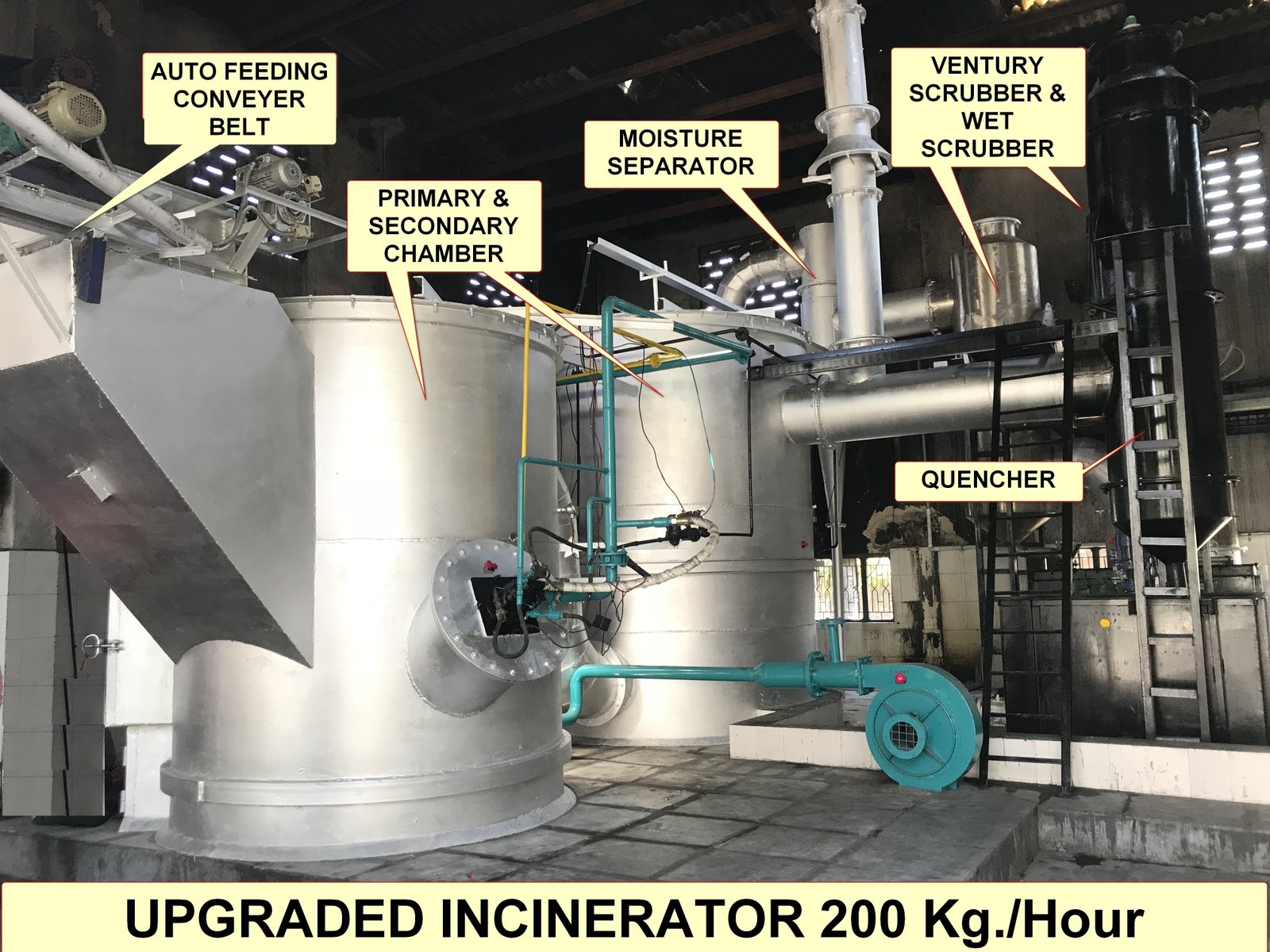
Prescribed Treatment: High-temperature dual-chamber incineration
(1200°C) or plasma pyrolysis.
Red Category
Contaminated Recyclable Plastics
Infectious plastic items collected in red colored non-chlorinated plastic bags or containers.
Medical Tubings & Catheters: Intravenous tubes, sets, central
lines, catheters, and suction cannulas.
Urine Bags & Syringes: Plastic disposable syringes (without
needles), vacutainers, urine drainage bags.
Dialysis Kits & Gloves: Dialysis consumables, IV fluid plastic
bottles, clean examination gloves.
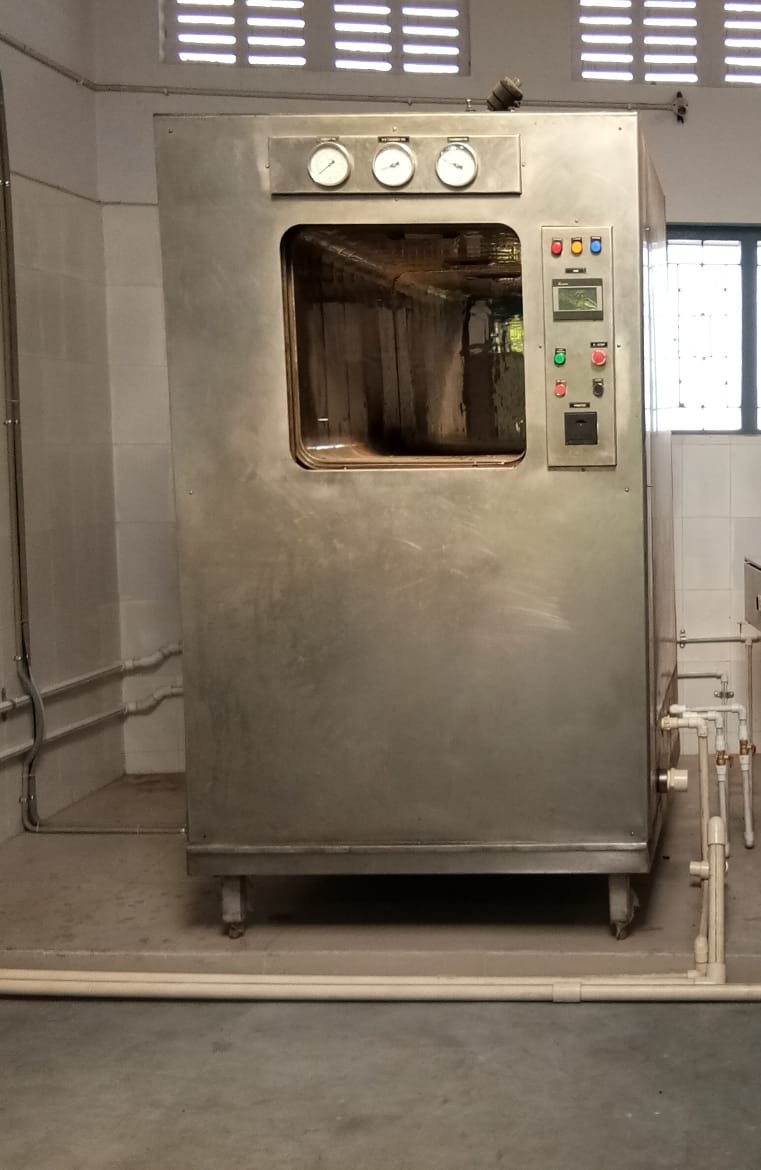
Prescribed Treatment: Saturated steam autoclaving or microwaving
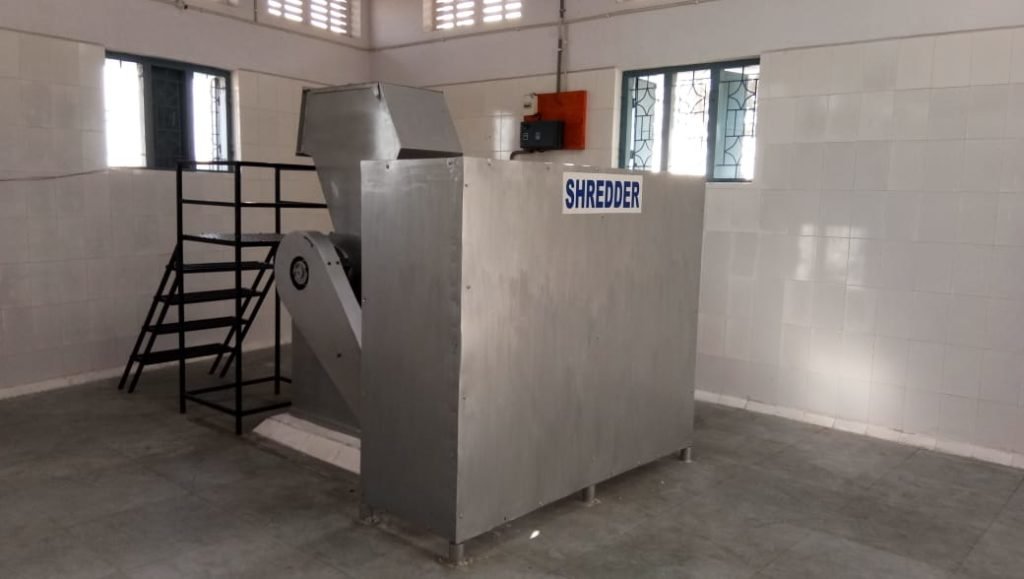
followed by high-torque industrial shredding.
Blue Category
Glassware & Metallic Body Implants
Rigid cardboard boxes with blue colored marking or puncture-proof, leak-proof containers.
Glass Vials & Ampoules: Broken or intact medicine vials,
ampoules, glass slides, pipettes.
Orthopedic & Surgical Implants: Orthopedic surgical pins,
titanium screws, plates, prosthetic joints.
Disinfection Standard: Sodium hypochlorite chemical soaking or
steam autoclaving.
Prescribed Treatment: Disinfection followed by certified industrial
smelting and glass recycling.

White Translucent Category
Waste Sharps Including Metals
Puncture-proof, tamper-proof, translucent containers designed to prevent needle-stick injury.
Needles & Syringes: Contaminated hypodermic needles, syringes
with fixed needles, butterfly sets.
Surgical Cutters: Scalpels, surgical blades, lancets, stitch
cutters, contaminated wire cutters.
Sterilization Standard: Dry heat sterilization or pressurized
high-temperature steam autoclaving.
Prescribed Treatment: Shredding or mutilation followed by
encapsulation in steel drum sharp pits.