GPCB Authorized CBMWTF Facility
info@distromed.com +91 99789 40020
GPCB Authorized CBMWTF Facility • Serving Gujarat Since 2002

Safe. Sustainable.
Responsible Bio-Medical
Waste Management.

Protecting Health, Preserving the Environment – Your Trusted Partner in Bio-Medical Waste Disposal.

GPS Barcoded Fleet

Real-time geo-tracking and barcoded sanitary transport for verified hospital pickups.

1200°C Incineration

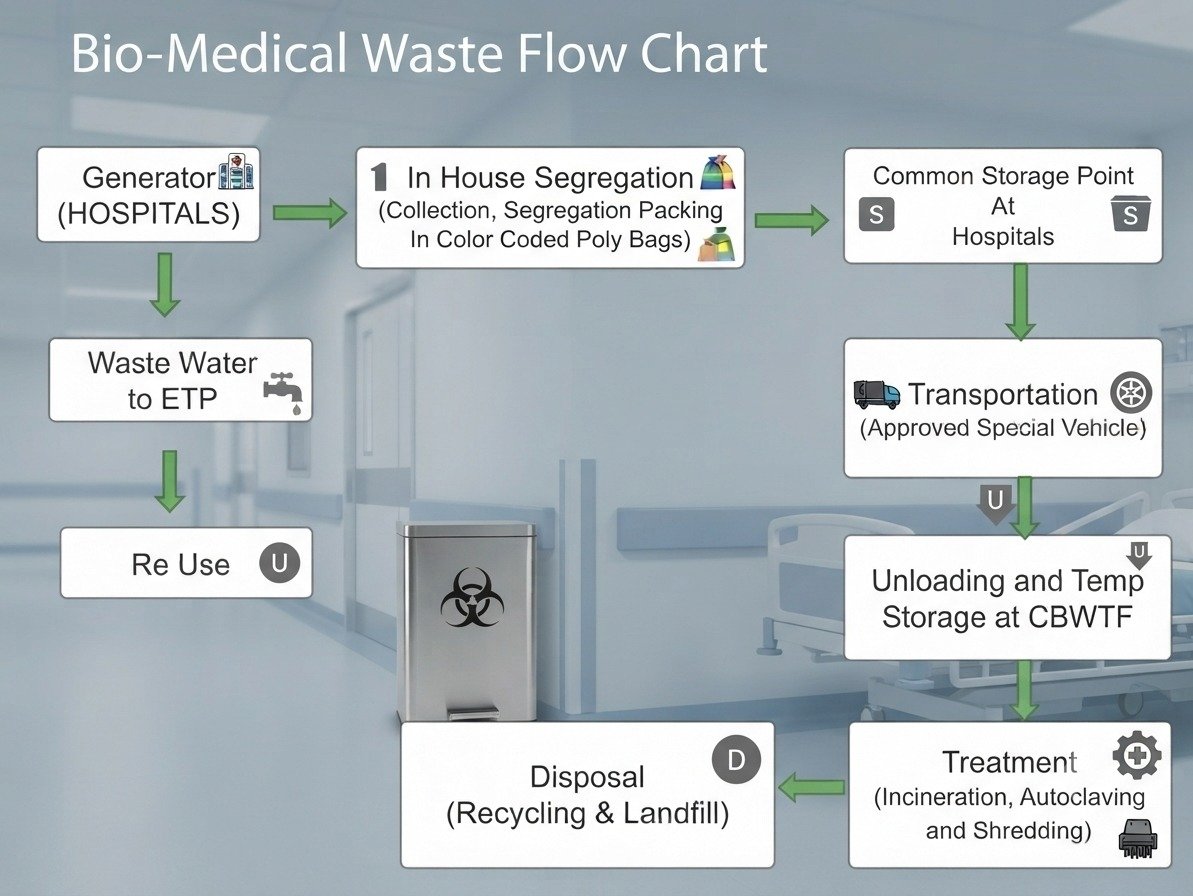
High-temperature dual chamber combustion ensuring complete pathogen elimination.

Steam Autoclaving

Pressurized saturated steam sterilization followed by heavy industrial shredding.

Statutory Compliance

Full regulatory compliance adhering strictly to MoEF&CC, CPCB, and GPCB standards.

Welcome to Distromed Services Pvt Ltd

At Distromed Services Pvt Ltd, we specialize in the safe and efficient management of bio-medical waste generated from healthcare activities, including the diagnosis, treatment, and immunization of humans and animals, as well as research, production, and testing of biological materials.

Bio-medical waste poses serious environmental and health risks if not handled properly. This waste includes sharps (like needles and scalpels), solid waste, disposables, anatomical waste, contaminated materials, and other hazardous substances. We are committed to adhering to strict regulatory guidelines to ensure the safe collection, transportation, treatment, and disposal of such waste.

Read More About Us
Distromed Facility
Our Mission

Our Mission

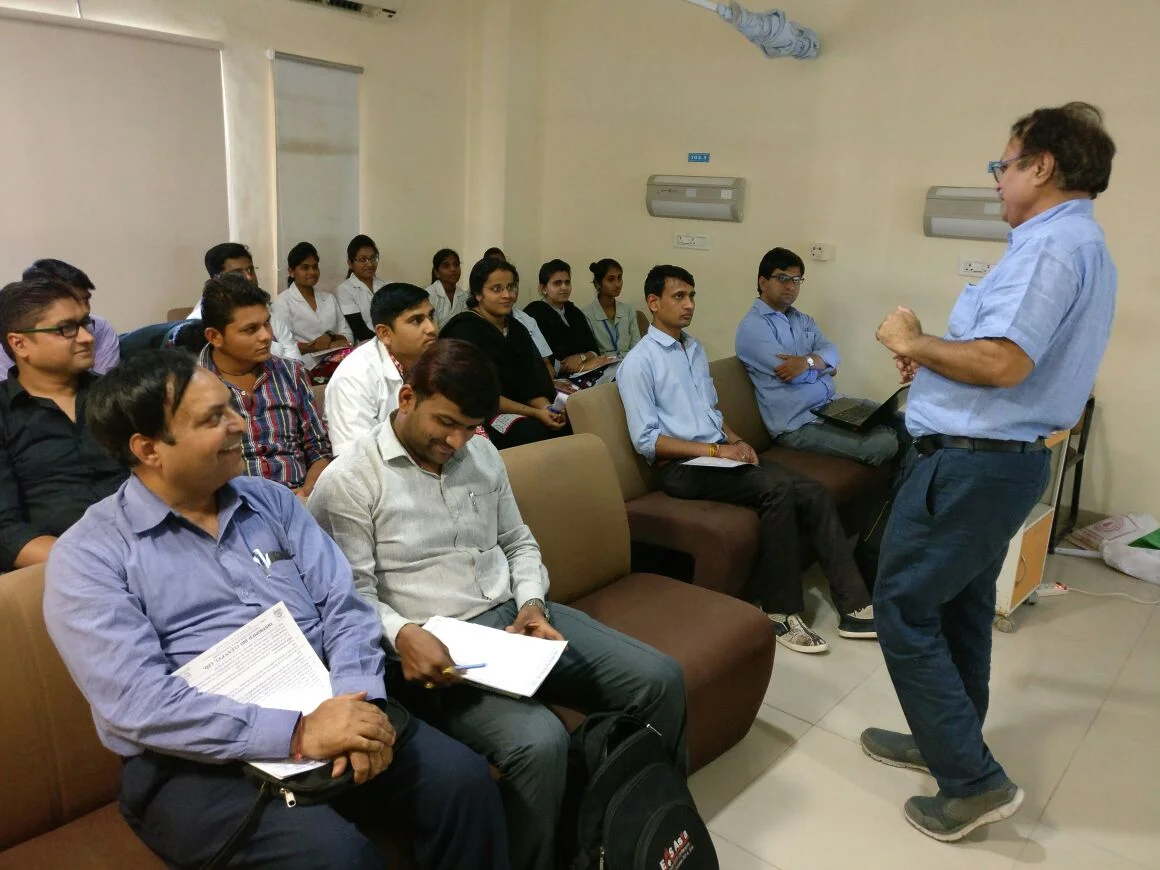
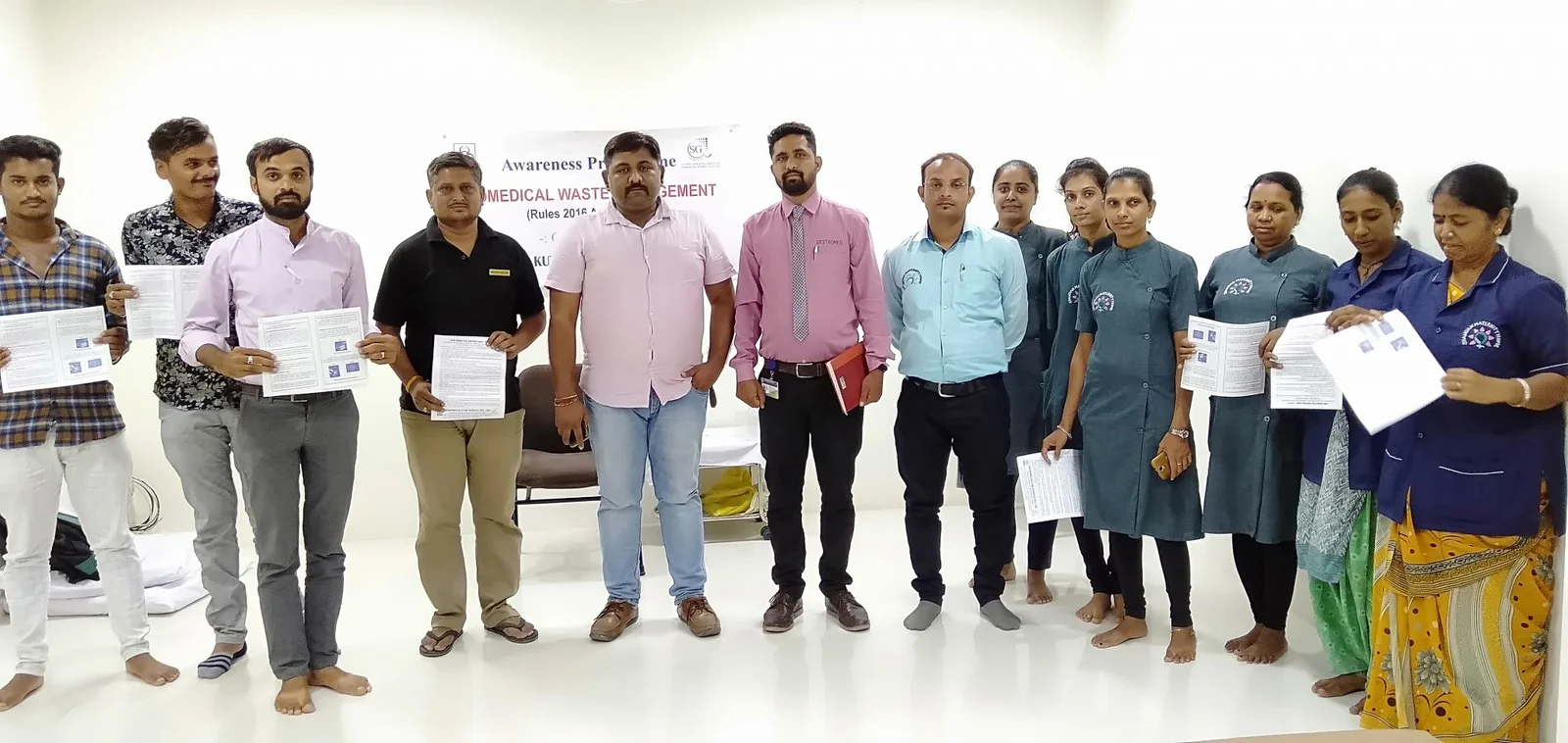
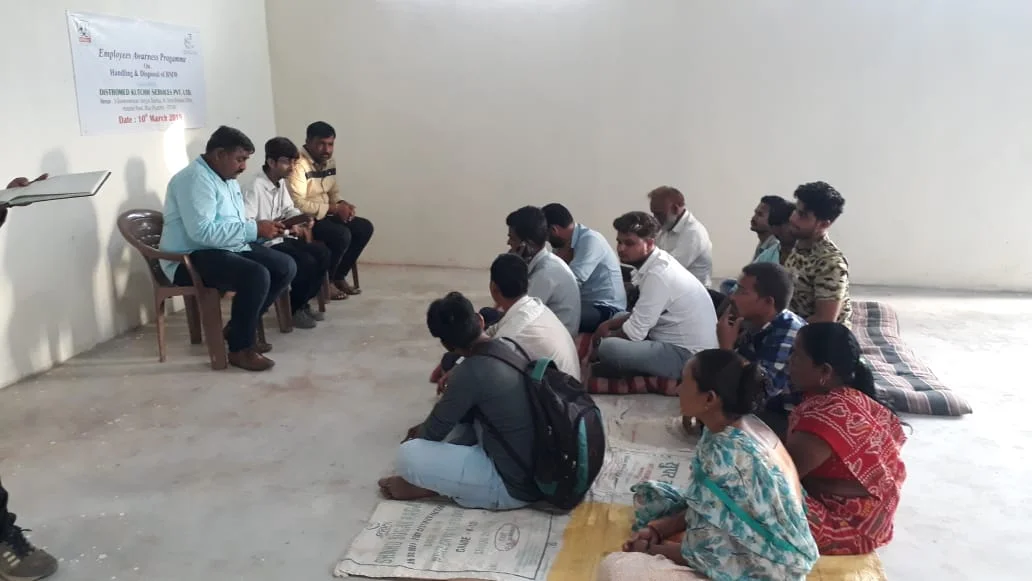
Current waste management needs improvement by giving such education and training. Bio-medical waste management is an activity in which involvement of patients, doctors, nursing staff. It is not the implementation of Bio-medical waste management rules but public behavior that is going to make the difference.

No waste management policy will be effective unless applied daily by all involved staff, consistently and accurately. Aim of training is to develop awareness in participants for health, safety and environmental protection issues.

Training activities should be designed for four main categories.

01. Personnel

Training for all personnel involved in healthcare waste management and day-to-day hospital operations.

02. Managers & Regulatory Staff

Training focused on responsibilities, regulations, supervision and implementation of waste management policies.

03. Medical Doctors & Nurses

Practical training on safe handling, segregation and disposal of biomedical waste in healthcare facilities.

04. Cleaners, Handlers & Drivers

Training in safe collection, handling, transportation and disposal of healthcare waste.

Training Approach

Training should cover healthcare waste policy, responsibility, and instruction on the application of appropriate practices. A practical, hands-on approach to training in small groups would be preferred. Periodic repetition of courses should also be encouraged to ensure that staff remain familiar with proper waste management procedures.

The objective is to provide effective training at affordable rates while ensuring safe and responsible healthcare waste management practices.

Training Activities

Environmental Impact of Biomedical Waste

Bio-medical waste can cause water pollution. If the waste is dumped in low-lying areas or in lakes and water bodies, it can cause severe water pollution. Any liquid waste that spills and enters water can provide favourable conditions for the growth of microorganisms.

Heavy metals present in bio-medical waste can also contribute to water pollution. Poor landfilling technology may result in the formation of leachates. Excess nutrients such as nitrates and phosphates from landfills can cause a phenomenon called eutrophication, where algal blooms develop on the surface of water bodies.

Water, land (soil) and air can therefore act as pathways for the spread of pollutants. Improper waste management can contribute to the spread of diseases such as tuberculosis, pneumonia, diarrhoeal diseases, tetanus, gas gangrene and whooping cough.

Health Hazards

Health Hazards

Human immunodeficiency virus (HIV) and hepatitis viruses can spread through bio-medical waste. The general public can also be adversely affected by improper waste management practices.

Dumping bio-medical waste in municipal dustbins, open spaces and water bodies can lead to the spread of diseases. Emissions from incinerators and open burning may also expose people to harmful gases associated with respiratory diseases and other health problems.

Injuries from sharps are also a common hazard associated with improperly managed biomedical waste.

Impact on Animals and Environment

Impact on Animals & Environment

Biomedical waste can also create health hazards for animals and birds. Plastic waste can choke animals that scavenge on openly dumped waste, while injuries caused by sharp objects can affect animals.

Harmful chemicals such as dioxins, furans and heavy metals in the soil can affect the reproductive health of animals.

Improperly dumped waste can therefore have a long-term impact on wildlife and the surrounding environment.

Meet Our Team

Dr. Mansukh R Kathiria

Dr. Mansukh R Kathiria

BAMS

Mr Vinod L Kachhadia

Mr Vinod L Kachhadia

D’pharm, B.sc(Chemical)

Mr. Kiran B Avashia

Mr. Kiran B Avashia

M.sc (Medical)-MICRO

Mr Yogesh C Choksi

Mr Yogesh C Choksi

M.sc (Medical)-MICRO

Ankitaben K Bhinde

Ankitaben K Bhinde

Executive Director

Trusted By 1,500+ Healthcare Establishments

B.T. Savani Kidney Hospital
Dr. Bhatt Lab
G.T. Sheth Orthopaedic
HCG Cancer Centre
Sterling Hospital
Wockhardt Hospital